
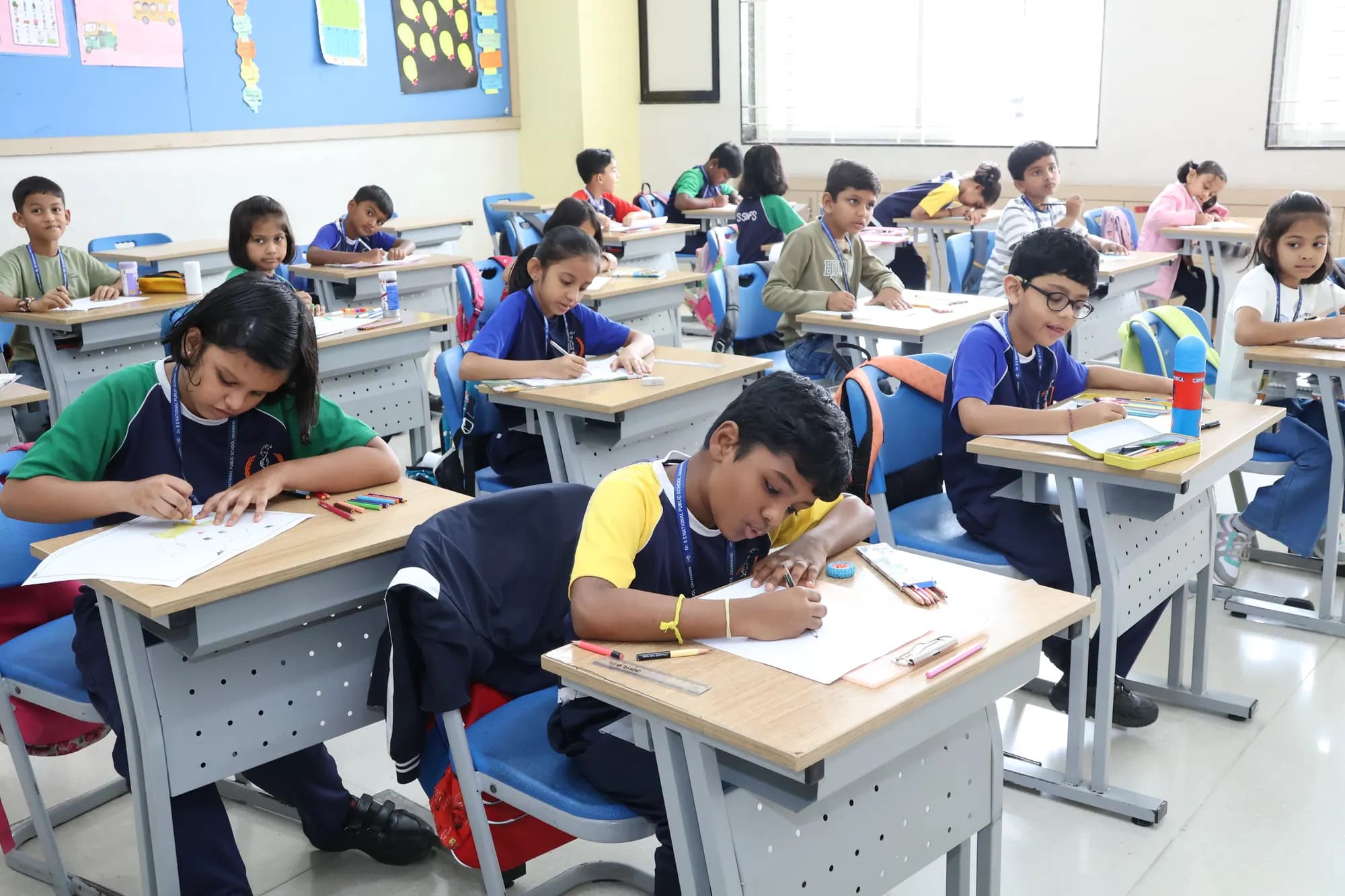
How We Teach and Assess
Good teaching is planned, visible and fair. At Dr. SSNPS, every lesson follows a written plan, every assessment is designed against clear learning objectives, and parents can see what is being taught, when it will be tested and how their child is progressing. We do not rank children against each other.
Planned teaching that parents can see
At the start of each academic year, the school issues:
- A micro-schedule. A session-by-session list of what will be taught in each subject through the year, broken into small, manageable topics. If a child is absent, the family can see exactly what was covered and what to ask the teacher about.
- A test schedule and blueprint. When each assessment happens, what it covers, and the mix of question types.
- The school calendar.
Our content follows the National Curriculum Framework and our practice is aligned with NEP 2020.
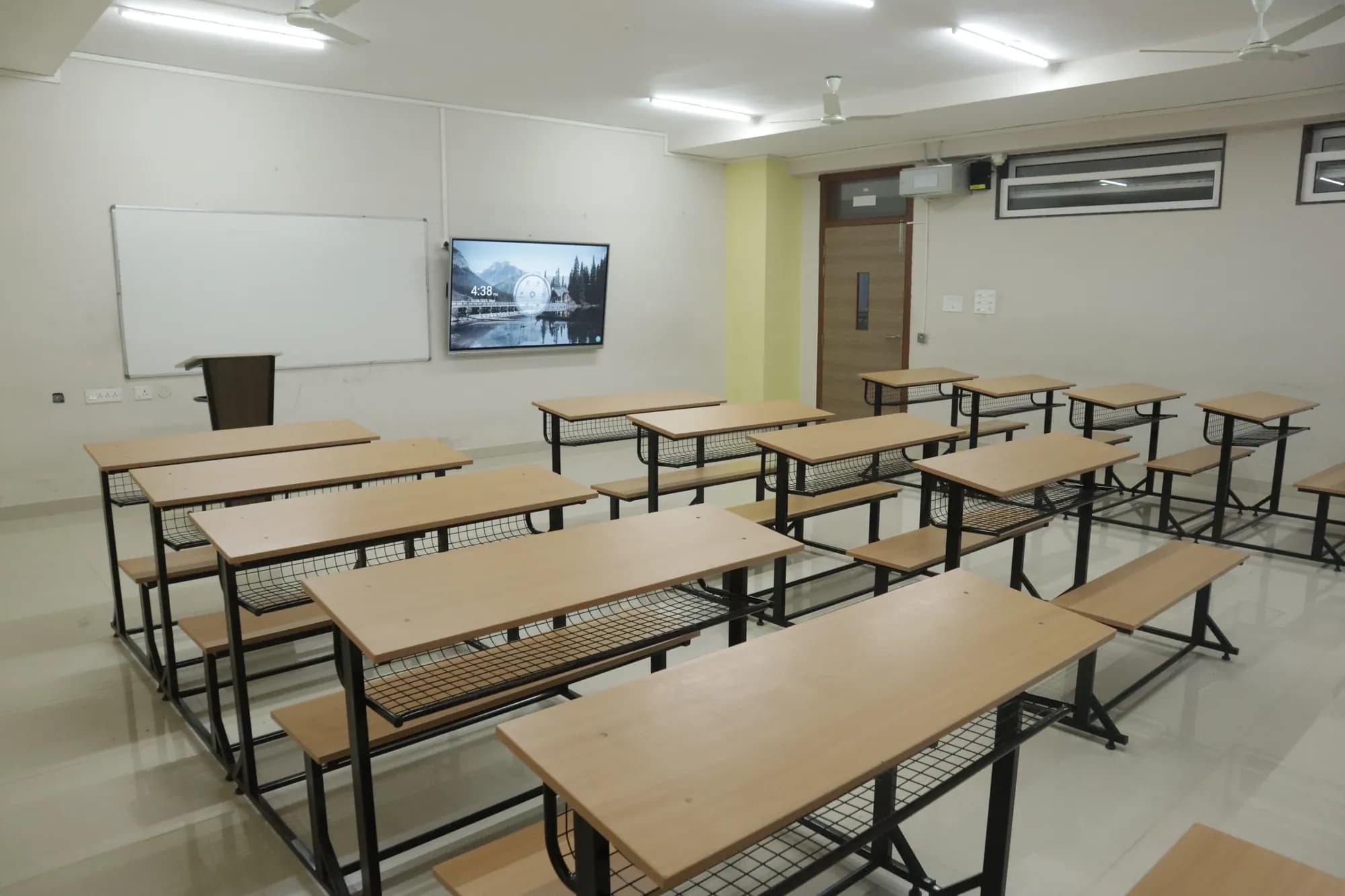
Every classroom has a smart board beside the writing board. 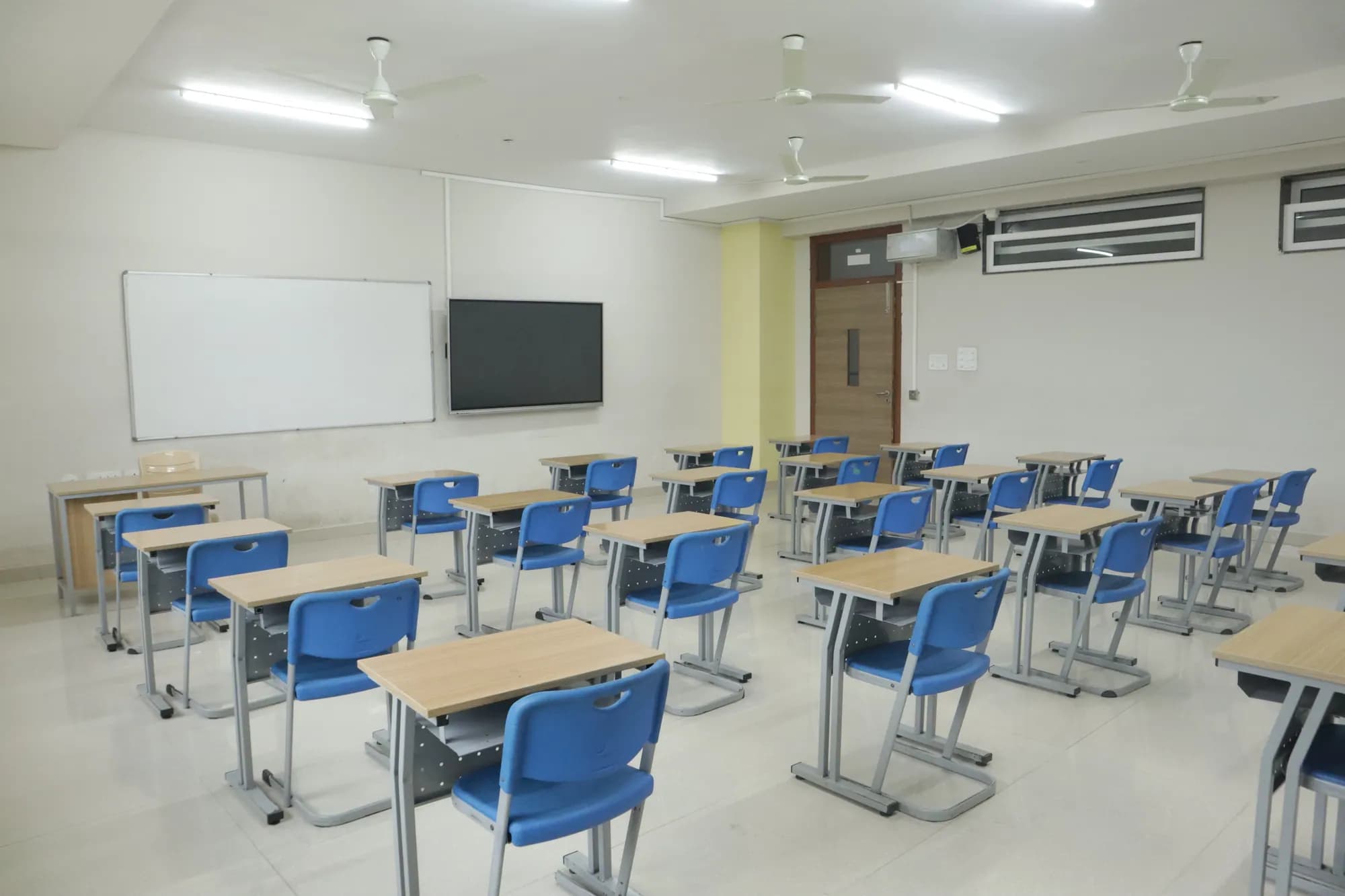
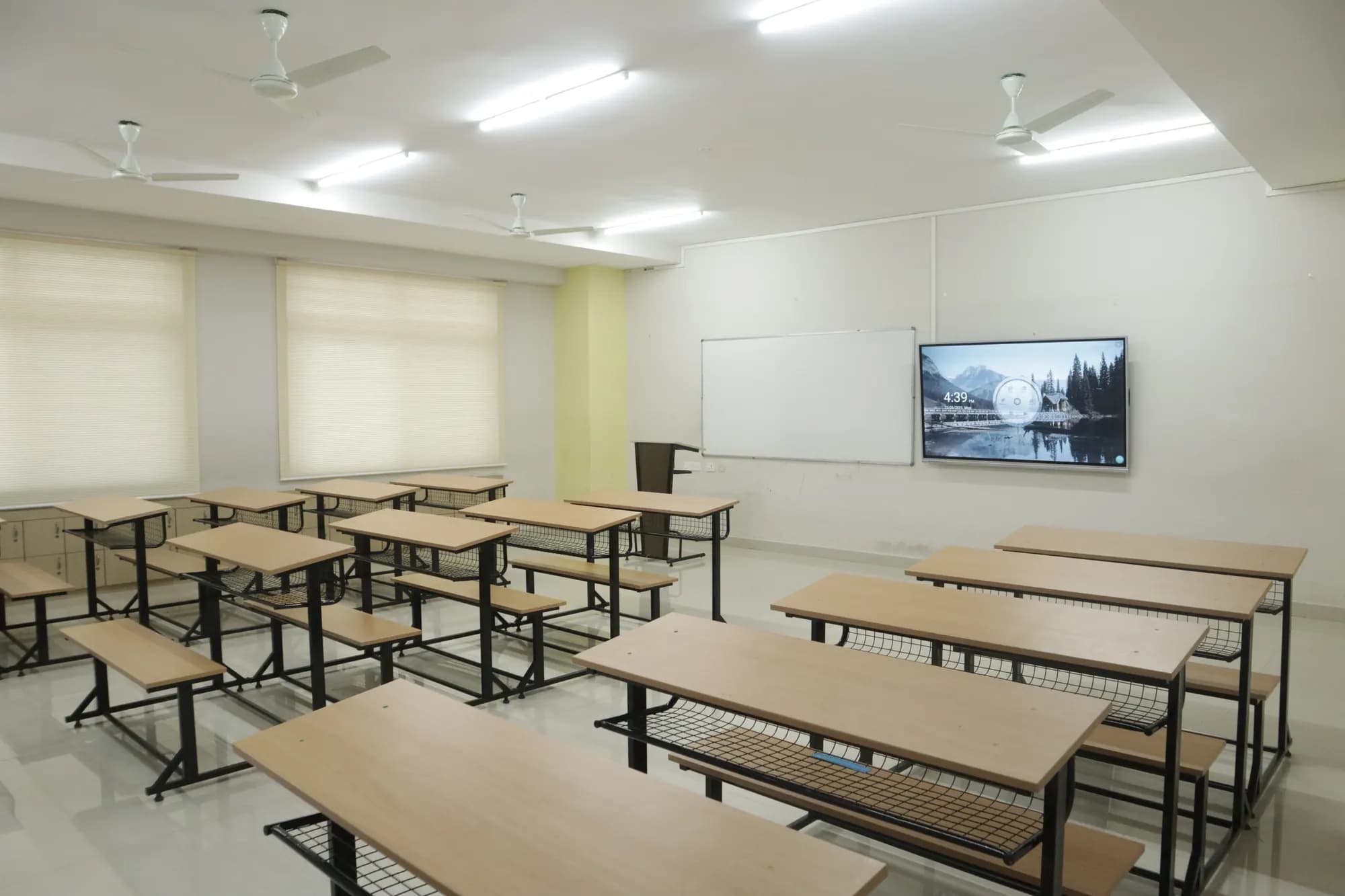
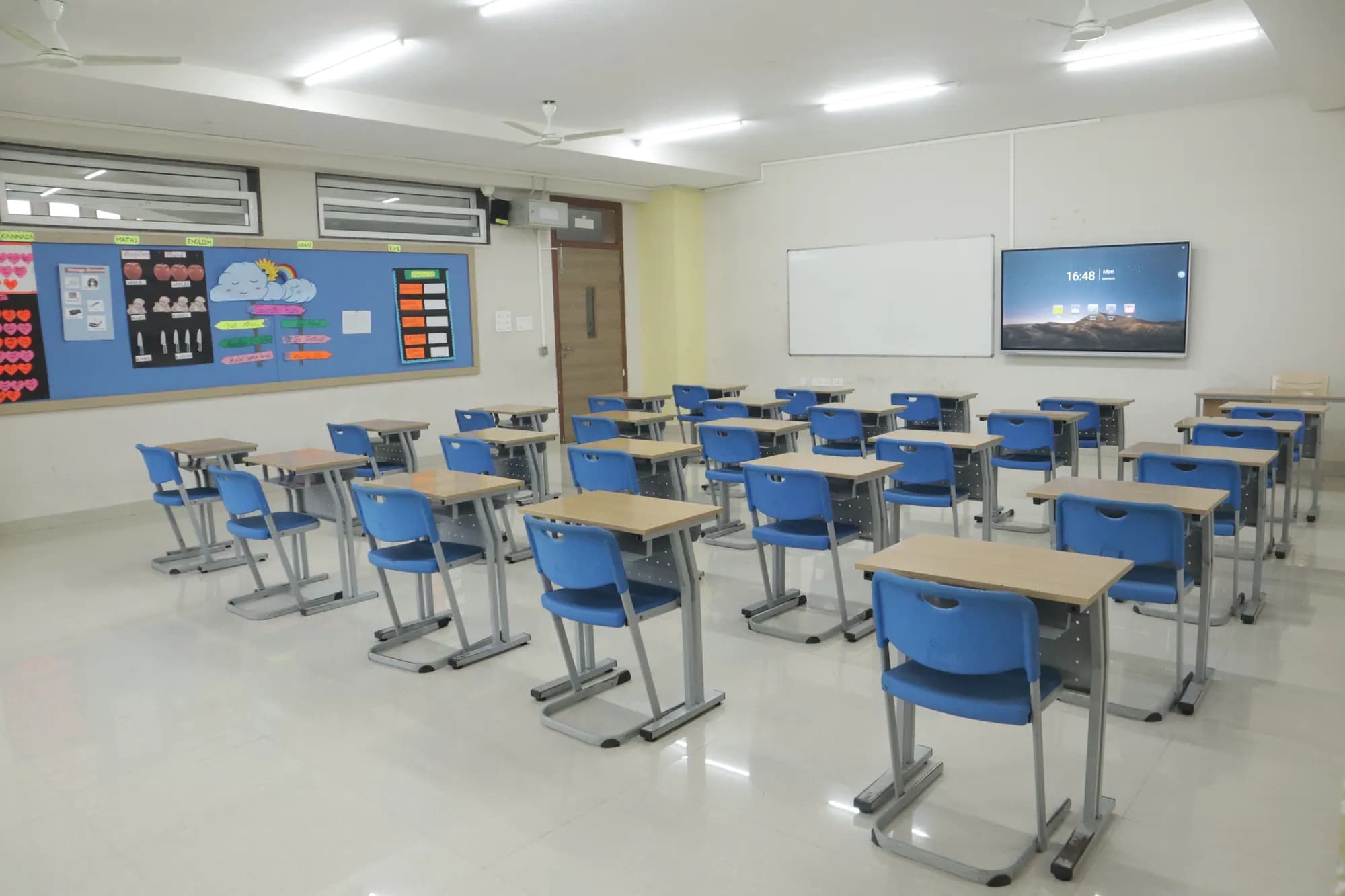
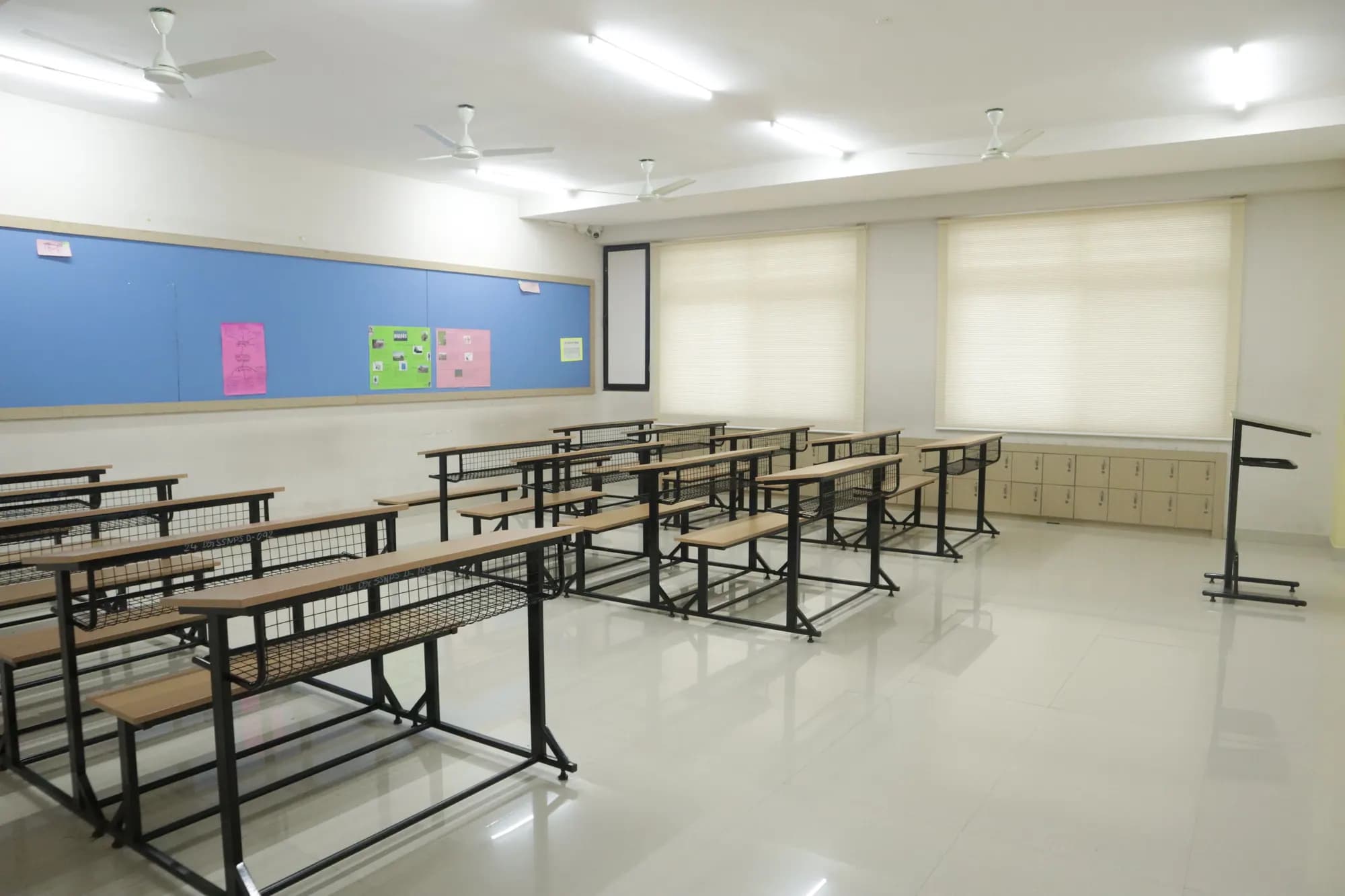
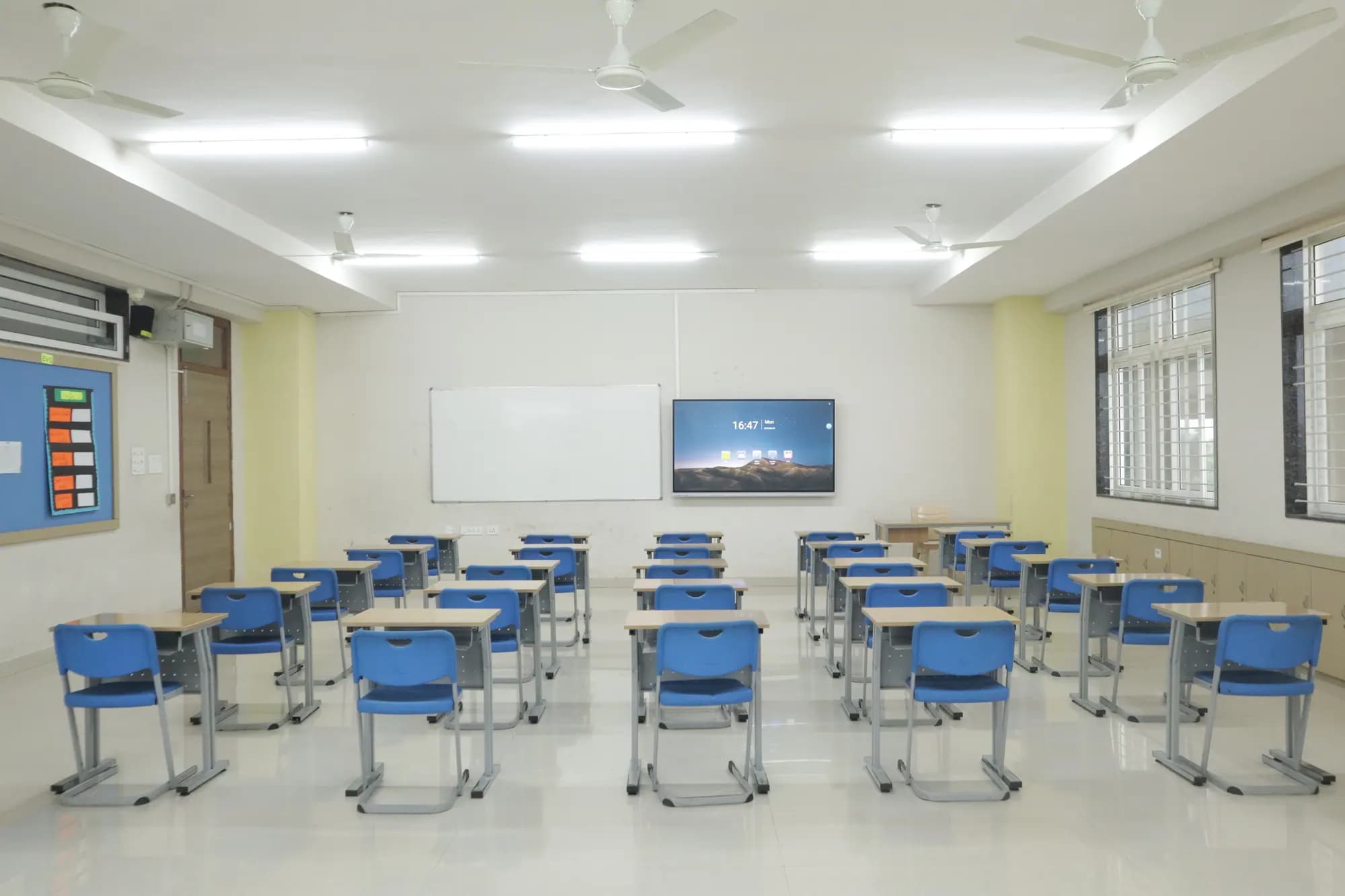
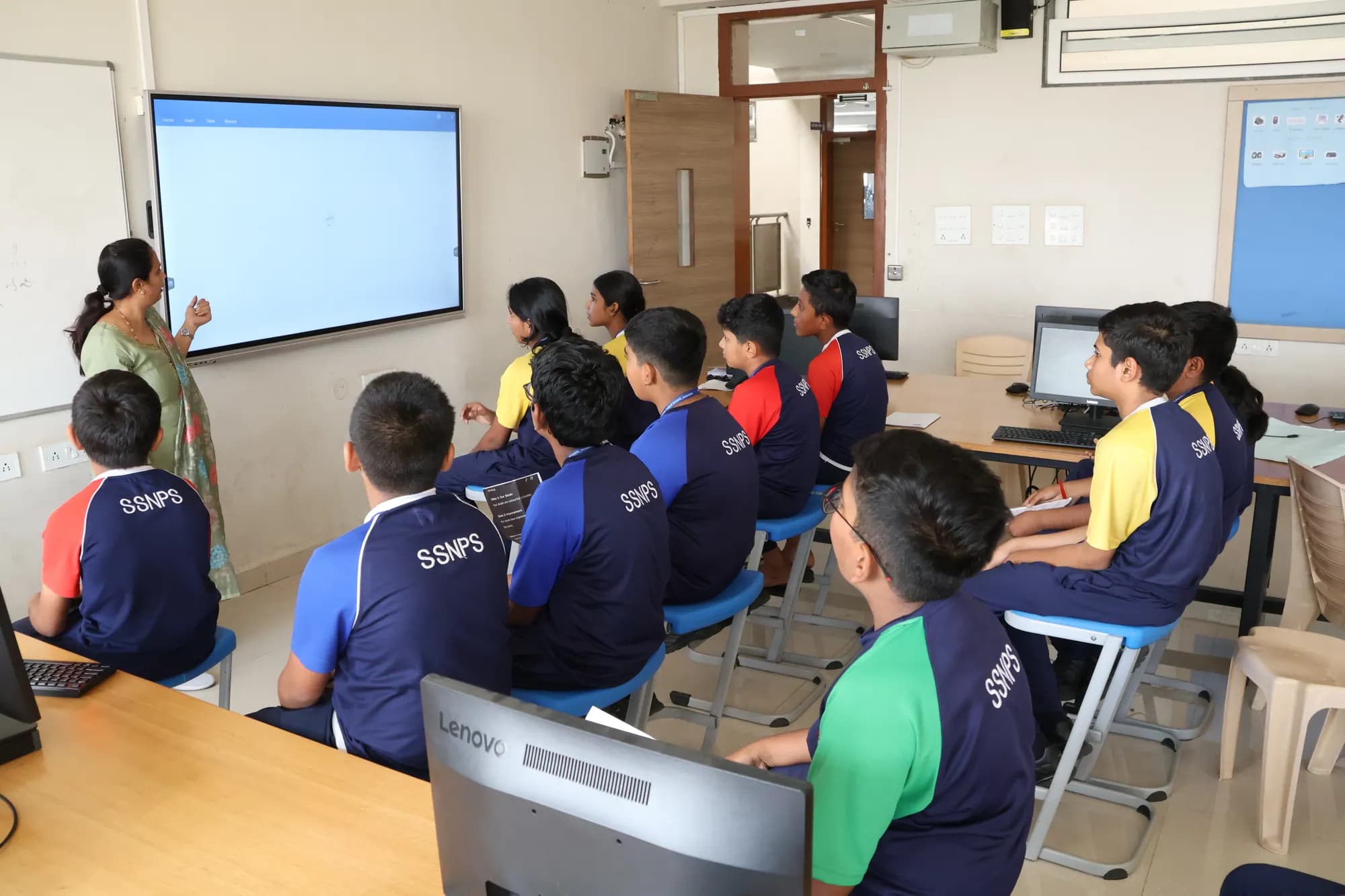
Lessons run on the smart board and the computers together.
How a lesson is built
Lesson plans at Dr. SSNPS are student-centred, activity-based and competency-based. A typical plan:
- Opens by recalling what children learned last time
- States what children should be able to do by the end of the lesson
- Explains the new idea, often with a model, picture or experiment
- Gives children time to practise through speaking, listening, reading and writing
- Ends with a short check of understanding
Each plan includes ways to stretch children who are ready for more and to support those who need more time. Art is brought into other subjects, and topics are linked across subjects, so that children see how ideas connect.
Assessment against clear objectives
Assessments are written from a blueprint and test three kinds of skill:
| Objective | What it tests |
|---|---|
| AO1 | Using and applying standard techniques: recalling facts and terms, and carrying out procedures accurately |
| AO2 | Reasoning, interpreting and communicating: drawing conclusions, explaining and justifying |
| AO3 | Solving problems in unfamiliar contexts: choosing a method, interpreting results and checking them |
In mathematics, the weighting of these objectives differs between the Standard and Basic levels, so each paper fits the course the student is taking.
The assessment calendar
- Weekly tests
- Four periodic tests
- A Term I examination
- Preparatory examinations
- A Term II (annual) examination
- The CBSE Board Examination in Grade 10
No ranks, a holistic progress card
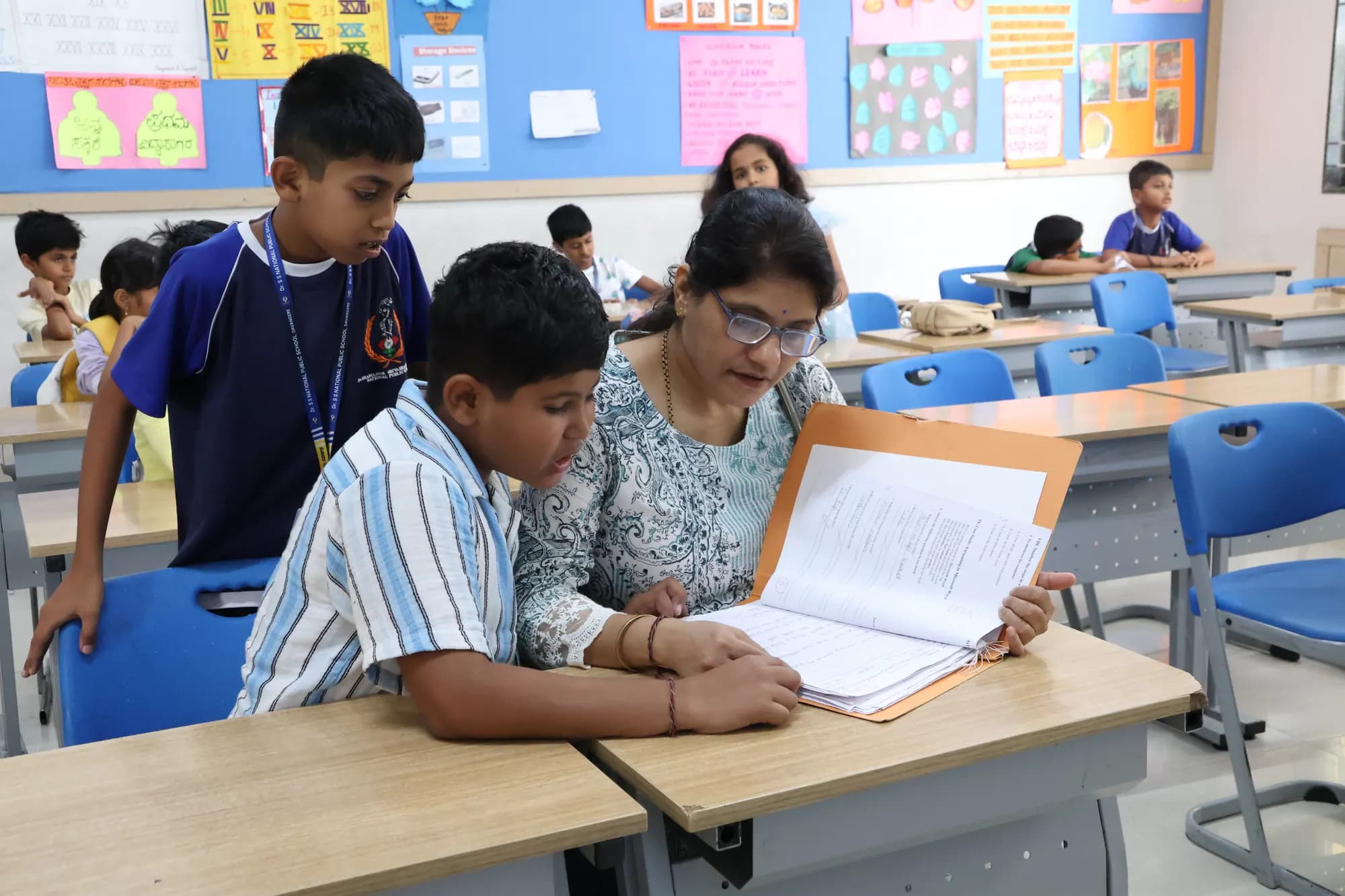
Dr. SSNPS does not publish ranks. The progress card compares each child with their own earlier performance. It records strengths, weaknesses and the remedial plan for each, and covers academics, sports, co-curricular activities, behaviour and project work.
To be promoted, a student needs 85% attendance, along with the attendance rules for tests and examinations explained to parents at the start of the year.
Keeping parents informed
- Next-day results: weekly test results, with a performance analysis, are posted on the school ERP by the end of the following day.
- Daily updates: the class proforma, home-learning activities, announcements, activity and assembly reports.
- Remedial reports: when a child is attending extra support classes.
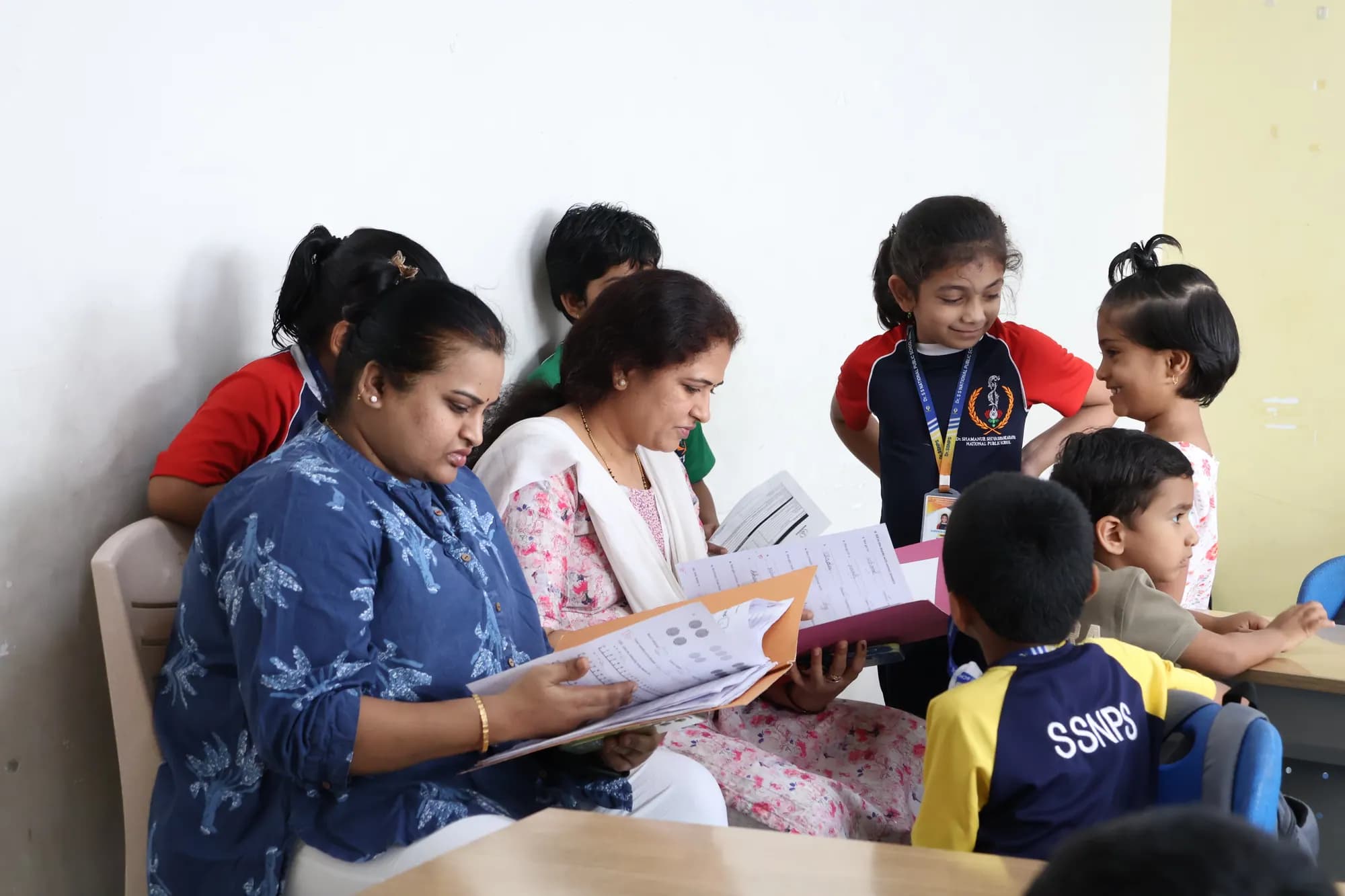
- Parent–teacher meetings: through the year, plus meetings by appointment on other days.
- Weekly parent webinars and Coffee Mornings with parents.
Classroom practices that build habits
- DEAR (Drop Everything And Read): the whole school pauses to read, building reading stamina and enjoyment.
- Essay period: students and teachers write together, and the best work in each class is recognised.
- Snacks with Mentor: each mentor meets a small group of five students regularly, so every child has an adult who knows them well.
- Value Education Programme: a weekly period for values and character.
- Mistake wall: students and staff note mistakes and what they learned from them, which normalises learning from error.
- Classroom password: children enter class by recalling a formula, rule or fact that changes every few days.
- Vertical grouping: children from different grades work together in peer-learning activities.
Class size and support
Class strength is around 40 students. Support around the classroom includes remedial classes, a career counsellor, a student counsellor and special educator, and a wellness officer.
Frequently asked questions
Does Dr. SSNPS give ranks?
No. Each progress card compares a child with their own earlier performance and sets out strengths, areas to improve and the support planned.
How often are children tested?
There are weekly tests, four periodic tests, a Term I examination, preparatory examinations and a Term II examination. Grade 10 students then take the CBSE Board Examination.
What is a micro-schedule?
A plan, shared at the start of the year, of what will be taught in each session of each subject. Parents can use it to follow along and to help a child catch up after an absence.
How quickly do I see test results?
Weekly test results are published on the school ERP by the end of the day after the test.